
REVIEW · FOOD & DRINK
Historical 18th Century Estate Tour with Coconut Tasting
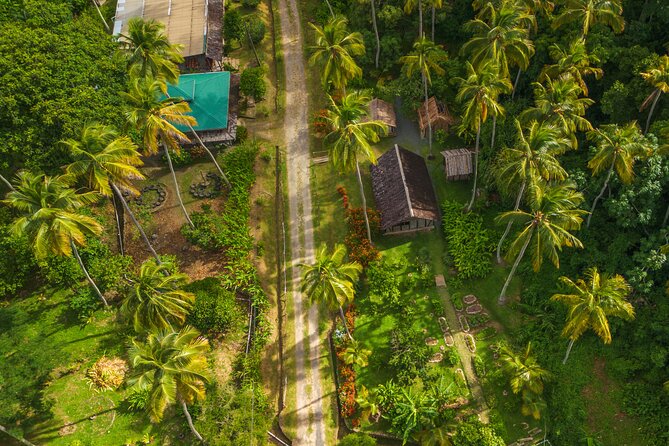
Sugar, cocoa, and coconut, taught the old way. On Morne Coubaril Estate in St Lucia, you walk through replica 1700s Carib stick huts, then move straight into hands-on processing demonstrations that explain how sugar, cocoa, and coconuts were turned into everyday goods.
I especially like the coconut tasting tied to real production steps (from de-husking to copra drying), and I like that the route includes native plants and a medicinal herb garden instead of only food stops. One heads-up: the walk is active, and the tour is not a good fit if you have trouble walking, or if you want a fully seated, low-stimulation experience.
If you can match your energy to the guide, this tour can be a lot of fun. Some guides are repeatedly praised by name, like Natasha, Jonathan, and Vinia, for turning demonstrations into something you actually remember. If your guide is more quiet or the group gets spread out, you may find it harder to hear every explanation.
In This Review
- Key highlights to look for on this Morne Coubaril tour
- Why Morne Coubaril Estate feels like an 18th-century time machine
- Tour length, start time, and where you actually begin
- Coconut tasting: more than a sip, it is the process
- Cocoa and coffee house stops: fermentation, drying, and bean tasting
- The sugar cane mill and fresh cane juice break
- The gardens, herb garden, and replica Carib village walk
- The estate house and the Monplaisir family centerpiece
- Guides make or break it, so aim for the best fit
- Price value, $12 tickets, and what you might pay extra
- Who should book, and who should pass
- Should you book the Historical Estate Tour with Coconut Tasting?
- FAQ
- How long is the Morne Coubaril historical estate tour?
- Where do I meet for the tour?
- What time does the tour start?
- Is entrance included in the ticket price?
- Is lunch included?
- Are alcoholic drinks included?
- Do I get hotel pickup and drop-off?
- Is this tour suitable if I have difficulty walking?
- Is it recommended for visually impaired guests?
- Can I cancel and get a full refund?
Key highlights to look for on this Morne Coubaril tour
- Coconut tasting with production steps: watch de-husking, copra drying, then taste coconut water and coconut jell
- 18th-century village replicas: replica stick huts show how workers may have lived on the estate
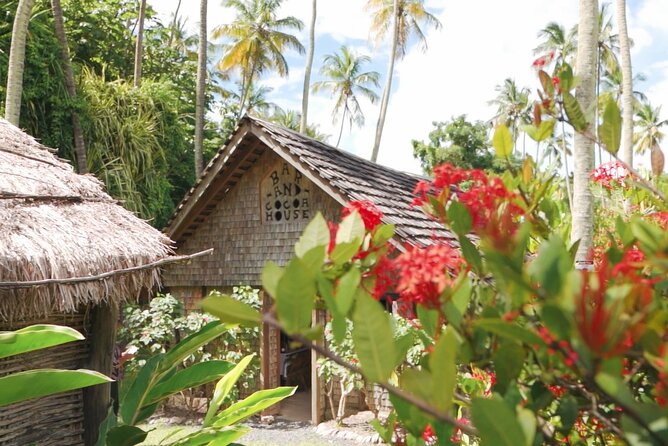
- Cocoa and coffee house demonstrations: see fermentation, drying, and the cocoa polishing process, then taste a ripe cocoa bean
- Sugar cane mill power: a mule or donkey-driven mill turns cane into sweet fresh cane juice
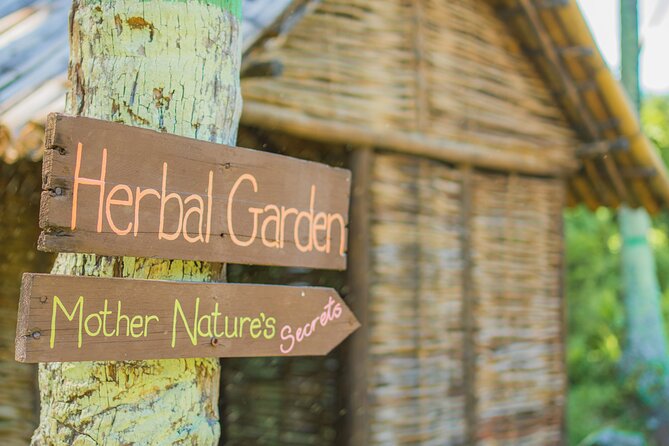
- Herb garden walks: you learn how island plants were used for treating illnesses and injuries
- Estate house photos and architecture: the Monplaisir family home is the visual centerpiece
Why Morne Coubaril Estate feels like an 18th-century time machine
Morne Coubaril works because it blends setting and story. You are not just looking at a building behind a fence. You move through an estate that is staged like an open-air museum, with replica workers’ huts and working-style food demonstrations built into the walk.
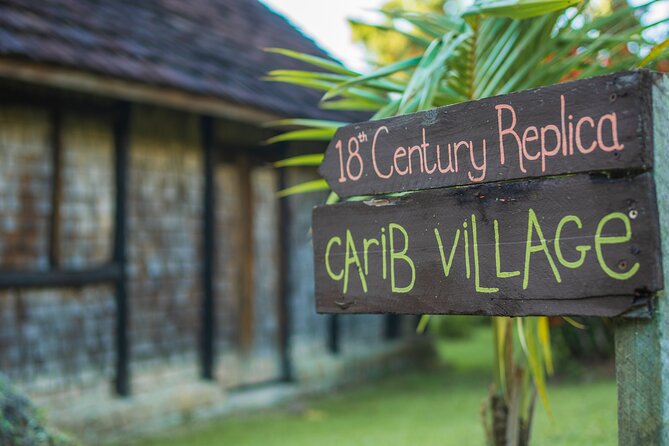
A big part of the appeal is the replica Carib village. Those stick huts help you picture daily life on St Lucia’s plantations in the 1700s, rather than treating history like a slideshow. You also get a guided explanation of the estate’s role in the island’s sugar, cocoa, and coconut production, which helps tie the demos together.
Then there is the grand estate house at the Monplaisir family property. Even if you care more about the food than the architecture, it’s a strong visual anchor. You end up seeing both the “where people lived” side and the “where the estate operated” side in one loop.
Tour length, start time, and where you actually begin
The schedule is straightforward. You meet at the Morne Coubaril Historical Adventure Park inside the Morne Coubaril Estate in Soufriere. The listed start time is 9:00 am, and the activity ends back at the same meeting point.
How long it takes can vary a bit. The tour duration is listed as about 30 minutes, but the itinerary and the number of stops can easily stretch it closer to what many people experience as about an hour on site. Some groups report longer tours, especially when the guide keeps the demonstrations interactive and the group pace is slower.
This also matters for comfort. Since it’s an outdoor walk with multiple stations, it’s not a “quick in and out” type of stop if you dislike walking or standing.
Practical note: the tour uses a mobile ticket, and the site is near public transportation. Hotel pickup and drop-off are not included, so plan to get yourself to the estate.
More St Lucia plates and glasses
Coconut tasting: more than a sip, it is the process
If you booked this for coconut tasting, you are getting it the right way, tied to what coconut production actually looks like. The tour includes a demonstration of how to dehusk a coconut. You then learn how copra is dried in an oven, so your tasting has context.
Expect to sample coconut water, and also coconut jell as part of the experience. That combination is more satisfying than a single sip because it hits different textures and flavors: the liquid freshness from the coconut, and the thicker, set version from the coconut preparation.
One smart way to think about the coconut stop is this: you’re not just learning a kitchen trick. You’re seeing why coconuts were valuable on the island. The estate is showing you the steps that turn a fruit into a shelf-stable product.
Also, don’t rush the tasting part. The coconut demo is often one of the most memorable stations, especially when the staff makes the process feel simple and hands-on.
Cocoa and coffee house stops: fermentation, drying, and bean tasting
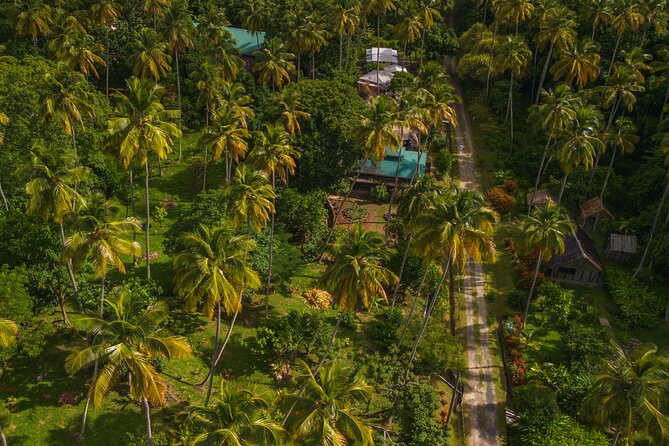
After the coconut work, the tour shifts into cocoa. You visit the cocoa and coffee house to taste a ripe cocoa bean. This is one of those moments where your taste expectations might get challenged, because cacao has its own earthy, raw character.
The demonstration chain matters. You watch the fermentation process, then see drying of the beans. From there, you learn about the cocoa polishing process, often described as a cocoa dance, which is used to polish the beans.
If you love food history, this section is the payoff. It links the science and labor behind chocolate to the steps you can see with your own eyes. And yes, you are tasting along the way, so it turns into more than background explanation.
The sugar cane mill and fresh cane juice break
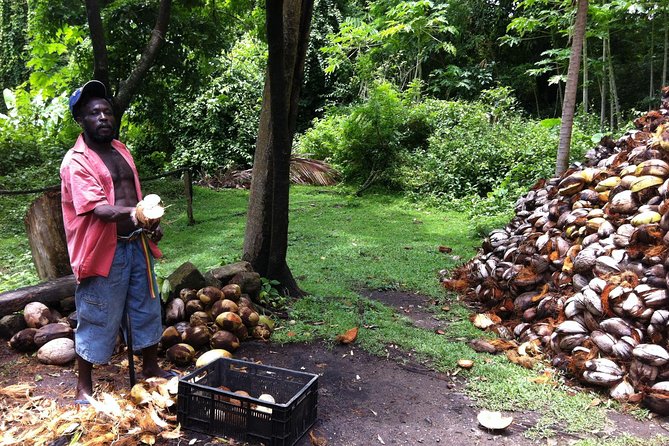
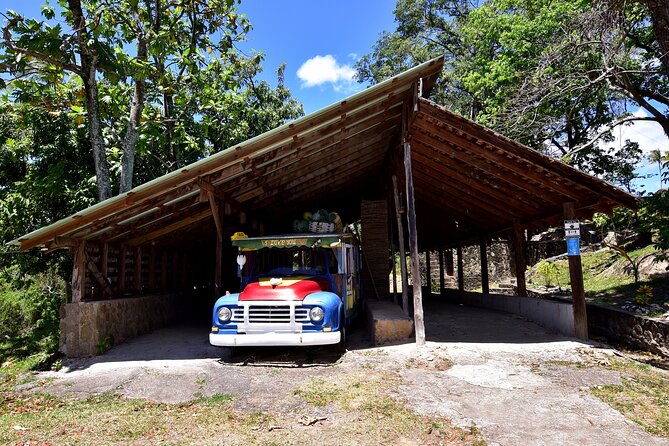
At some point in the route, you will stop at a traditional mule-driven sugar cane mill. This is where the island’s sweetness becomes mechanical and real.
The payoff here is simple: you sip typical island fresh cane juice. It’s a small moment in the timeline, but it’s a great contrast to chocolate and coconut. Instead of waiting for sugar to arrive in a finished candy bar, you get the cane juice in its near-natural form.
If you are the type who likes watching how old technology gets work done, this is one of your best photo moments. It’s also a nice reset if the earlier demos made you feel like you’ve been standing in one spot for too long.
The gardens, herb garden, and replica Carib village walk
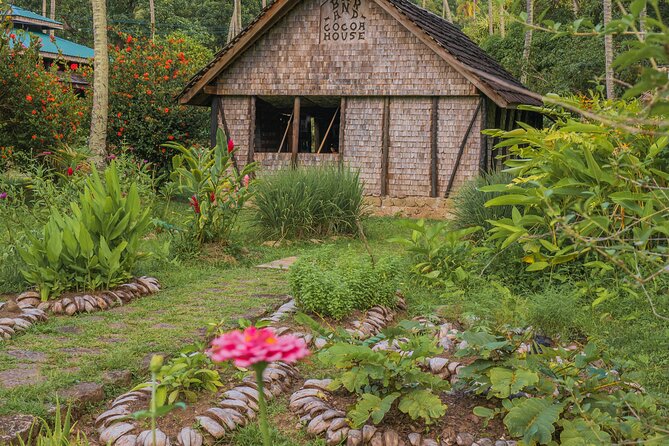
The walking part is half the point, because the tour is built like a loop through staged “island life.” You go through a small village filled with replicas of stick huts, designed to show where residents of the island lived in the 1700s. The huts are not just decoration. Guides connect them to how people may have lived and worked near the estate.
Next comes the gardens. You’ll stroll through lush grounds featuring native plants and trees. This is more useful than it sounds because it gives you a way to recognize island vegetation beyond the postcard level. The route also includes a medicinal herb garden, with explanations of herbs used to treat illnesses and injuries.
That medicinal herb component is worth taking seriously. It’s one of the quieter sections of the tour, and it tends to stick with you if you like learning how everyday plants served real needs.
If you want photos, this is where you get them. You’ll also find viewpoints along the way, offering dramatic vistas if conditions are clear.
The estate house and the Monplaisir family centerpiece
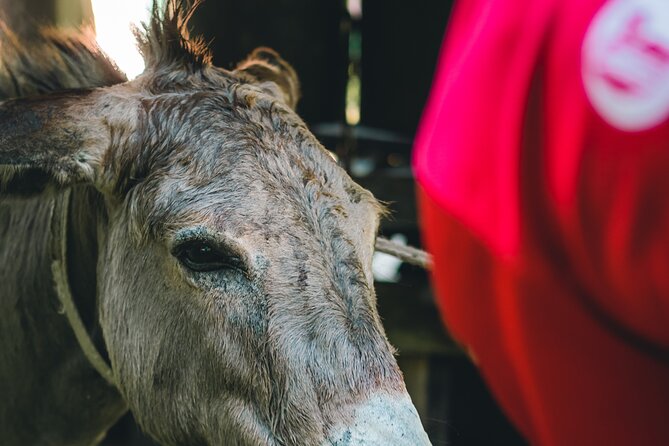
At the end of the guided loop, you reach the Monplaisir family estate house. This is the centerpiece of the property, and it gives the tour a sense of structure: you start with the workers’ world, move through production and gardens, and then finish at the place where the estate’s power and permanence were shown.
Even if you’re not an architecture nerd, it helps to see how grand the estate house is compared to the replica worker huts. It’s an instant visual reminder that plantation systems were not equal communities. The guide helps you connect that contrast to how the estate operated.
This stop also tends to be where the tour wraps up, so don’t plan to sprint off right after. You’ll want a moment to take in the view and the building details.
Guides make or break it, so aim for the best fit
A theme you’ll notice at Morne Coubaril is that the tour experience depends on the guide’s delivery. Many guides come highly recommended by name, including Natasha, Jonathan, Vinia, Dalton, Sendyann, and Noelita. When the guide is strong, the demonstrations feel like a conversation. You get extra clarity, better pacing, and more chances to ask questions.
When a guide is less engaging, the tour can feel scripted or rushed, and if you’re toward the back of the group, it can be harder to hear each explanation. The good news is that this is a manageable fix. Pick a spot near the front when you start walking. If a guide offers time for questions, take it early, not at the end.
Price value, $12 tickets, and what you might pay extra
The price is listed as $12 per person, and entrance fees are included. That matters because it turns the cost into a straightforward “do the tour” purchase, rather than a situation where you later discover you have to buy the main admission separately.
In the real world, this tour can feel like strong value because it includes multiple tasting moments plus demonstrations that show real production steps. You’re not only getting a walk through gardens. You’re tasting coconut preparations and cocoa, and you’re seeing how the ingredients became something usable.
What to watch: lunch is not included with this tour listing, and alcoholic drinks are also not included, though alcohol is available to purchase. In some cases, people book the estate as part of a cruise or other package and then find lunch added. If you want a full meal, confirm what your exact booking includes before you show up hungry.
Who should book, and who should pass
This is a good fit if you enjoy hands-on food and agriculture history, and if you like learning from guides while you walk. You’ll likely enjoy this most if you are interested in sugar, cocoa, and coconut as production systems, not just flavors.
I would be cautious if you have trouble walking. The tour is not recommended for people with difficulty in walking, and it’s also not recommended for visually impaired guests. It’s also outdoors and involves multiple stops, so comfort matters.
If you’re traveling with kids, note that children must be accompanied by an adult.
Should you book the Historical Estate Tour with Coconut Tasting?
Book it if you want a compact, guided St Lucia experience that connects history to taste. The coconut tasting is the headline, but the real win is the way the tour links coconut to copra drying, links cocoa to fermentation and drying, and links sugar to cane juice from a donkey or mule-driven mill.
Skip it if you want a fully seated tour, if walking is hard for you, or if you know you hate group pace changes. Also, bring a light rain layer. Weather can turn fast on the island, and comfort upgrades can help if the day is wet.
One last practical tip: arrive with the mindset of learning through doing. This tour is not only about looking. It’s about process. If you get the right guide, it turns into one of those “I get it now” moments about how island agriculture shaped daily life.
FAQ
How long is the Morne Coubaril historical estate tour?
The duration is listed as about 30 minutes, but the route includes multiple stops across the estate, so it may feel closer to around an hour on site depending on pacing.
Where do I meet for the tour?
You meet at Morne Coubaril Historical Adventure Park, Morne Coubaril Estate, St Lucia, in Soufriere.
What time does the tour start?
The start time listed is 9:00 am.
Is entrance included in the ticket price?
Yes. Entrance fees are included.
Is lunch included?
Lunch is not included in the tour as listed. Some bookings or packages may include lunch, but it is not part of what is listed here.
Are alcoholic drinks included?
No. Alcoholic drinks are not included, though they are available to purchase.
Do I get hotel pickup and drop-off?
No. Hotel pickup and drop-off are not included.
Is this tour suitable if I have difficulty walking?
No. It is not recommended for persons with difficulty in walking.
Is it recommended for visually impaired guests?
No. It is not recommended for the visually impaired.
Can I cancel and get a full refund?
Yes. You can cancel for a full refund up to 24 hours in advance. If you cancel within 24 hours of the experience start time, the amount paid is not refunded.
Eating and Drinking Your Way Around
- Rodney Bay Food Tour by LUCIAN FOOD TOURS★ 5.0 · 76 reviews
- Food Tour- Taste of St.Lucia★ 5.0 · 17 reviews
- Castries Market Walking Food Tour by LUCIAN FOOD TOURS★ 4.5 · 14 reviews
- Soufriere Excursion with Rum & Chocolate Tasting★ 4.5 · 11 reviews
Other St Lucia Outings to Compare
- ATV Tour in St Lucia★ 5.0 · 1,021 reviews
- Wow Tours St. Lucia (COVID-19 Certified)★ 5.0 · 514 reviews
- Project Chocolat Tree to Bar Tour at Hotel Chocolat Saint Lucia★ 4.5 · 501 reviews
- Private Full Day Charter: St Lucia Boat Tour to Soufriere★ 5.0 · 468 reviews
More St Lucia Tours We Have Reviewed
- ATV Tour in St Lucia★ 5.0 · 1,021 reviews
- St Lucia Full-Day Catamaran Sightseeing Cruise With Snorkeling★ 4.5 · 592 reviews
- Rainforest Hike and Waterfall Safari★ 5.0 · 567 reviews
- Wow Tours St. Lucia (COVID-19 Certified)★ 5.0 · 514 reviews
Just Reviewed on the Island




Food & Drink, side by side.
 ★ 5.0St. Lucia Food and Rum Tour – Taste authentic St. Lucian Food and CultureFrom $205204 reviews
 ★ 4.5St Lucia Rum Tasting and TourFrom $9091 reviews
 ★ 5.0Rodney Bay Food Tour by LUCIAN FOOD TOURSFrom $7376 reviews
 ★ 5.0St Lucia Bamboo Rafting Experience (+Rum Tasting)From $13928 reviews
 ★ 5.0Food Tour- Taste of St.LuciaFrom $5517 reviews
 ★ 4.5Castries Market Walking Food Tour by LUCIAN FOOD TOURSFrom $8414 reviews
 ★ 5.0Rhythm Of Rum Tour & Rum Tasting Saint LuciaFrom $10012 reviews
 ★ 4.5Soufriere Excursion with Rum & Chocolate TastingFrom $18511 reviews
Where else this one turns up